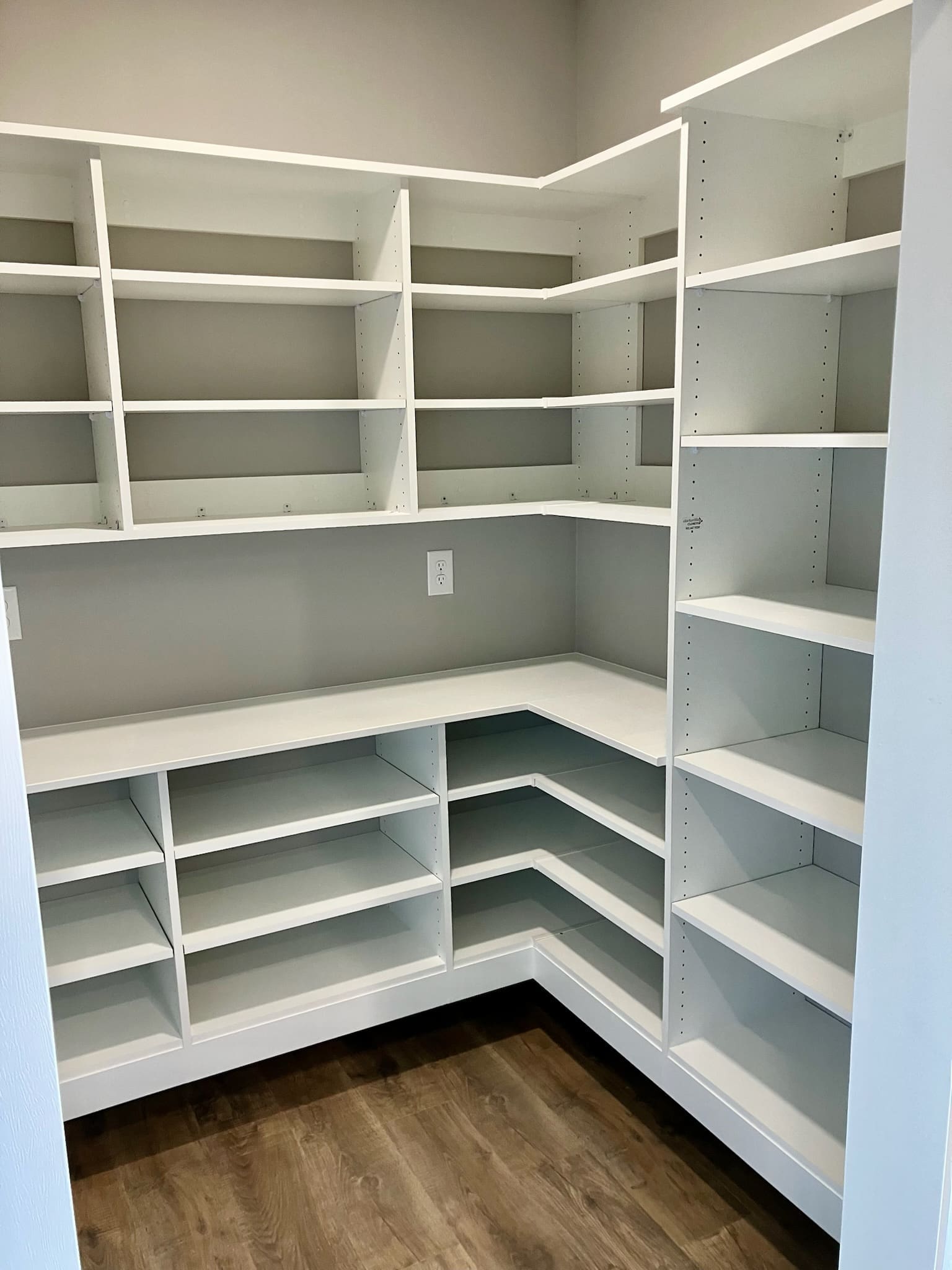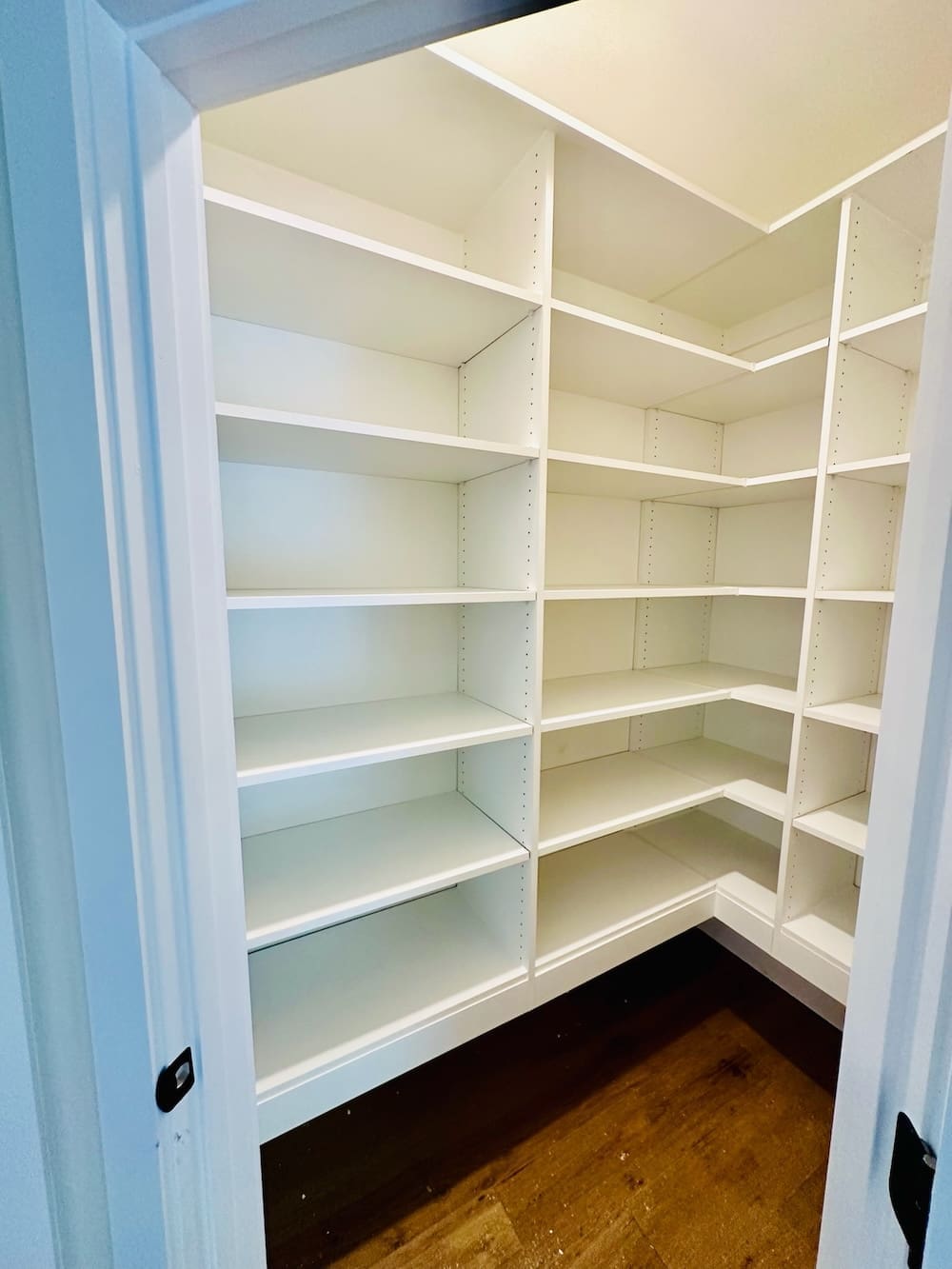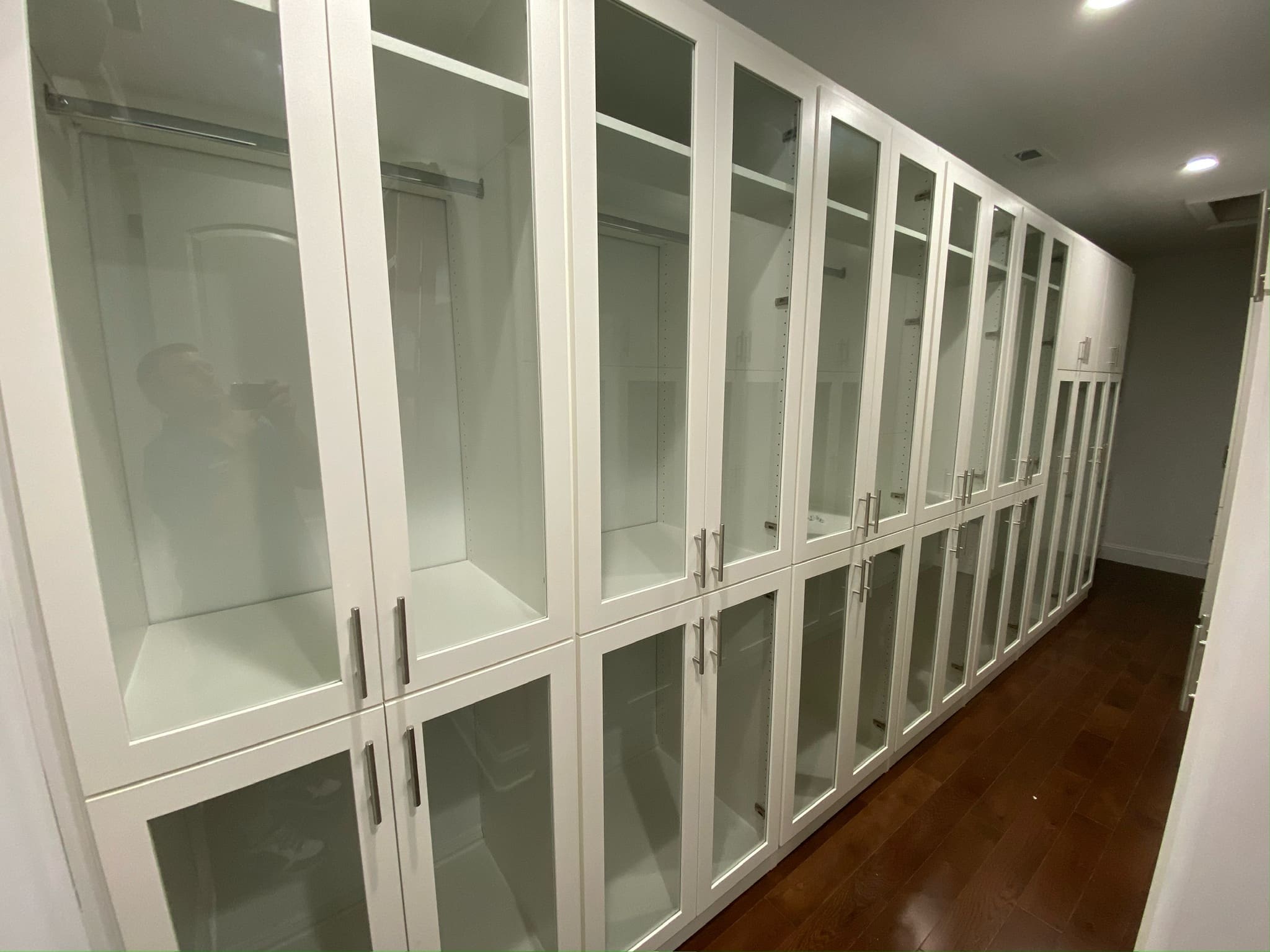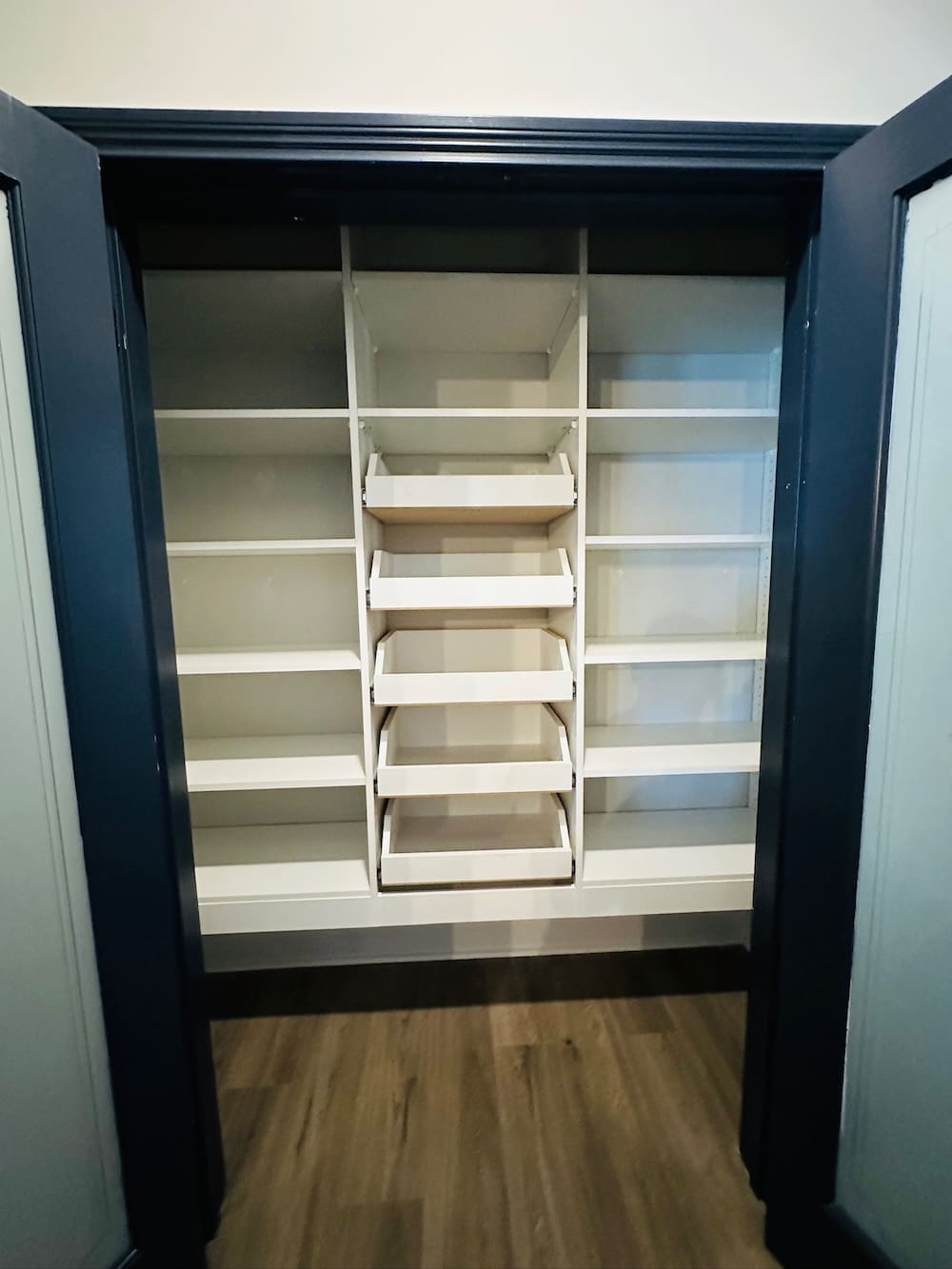
Custom Pantry Design Tips for Better Storage, Shelving, and Organization
A well-designed pantry can make your whole kitchen feel easier to use. A poorly designed pantry can create clutter, wasted space, and daily frustration.
Pantry organization is about more than baskets and labels. The layout has to work first. Shelving needs to fit what you store. Zones need to match how your family cooks, shops, and grabs food throughout the week.
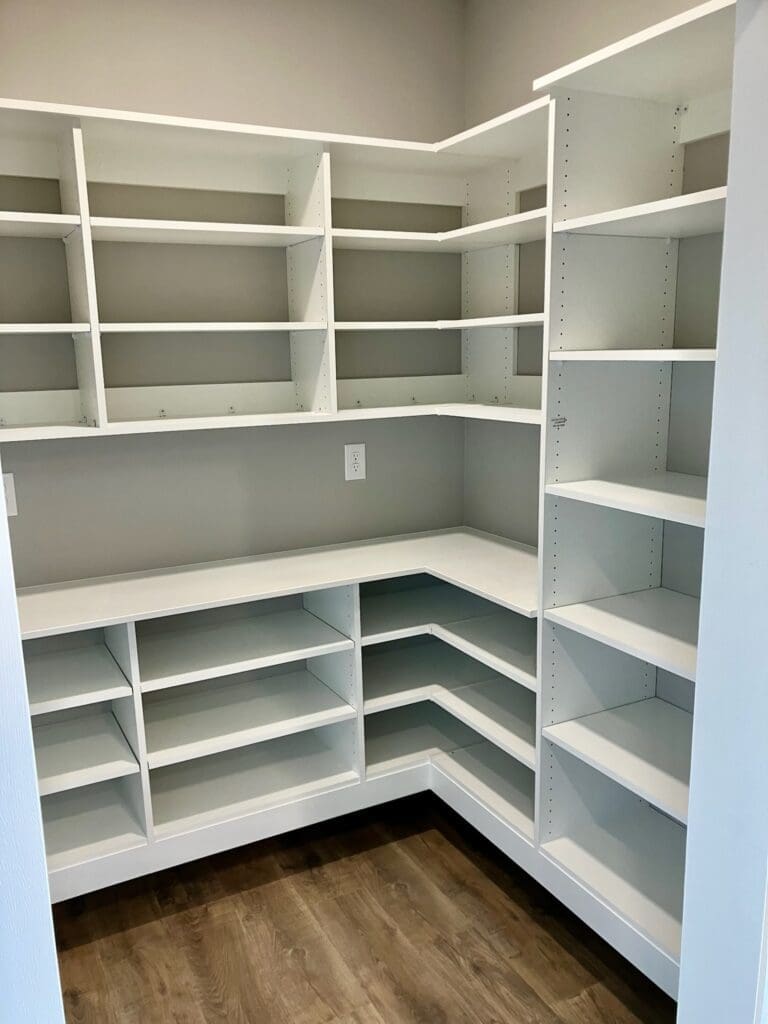
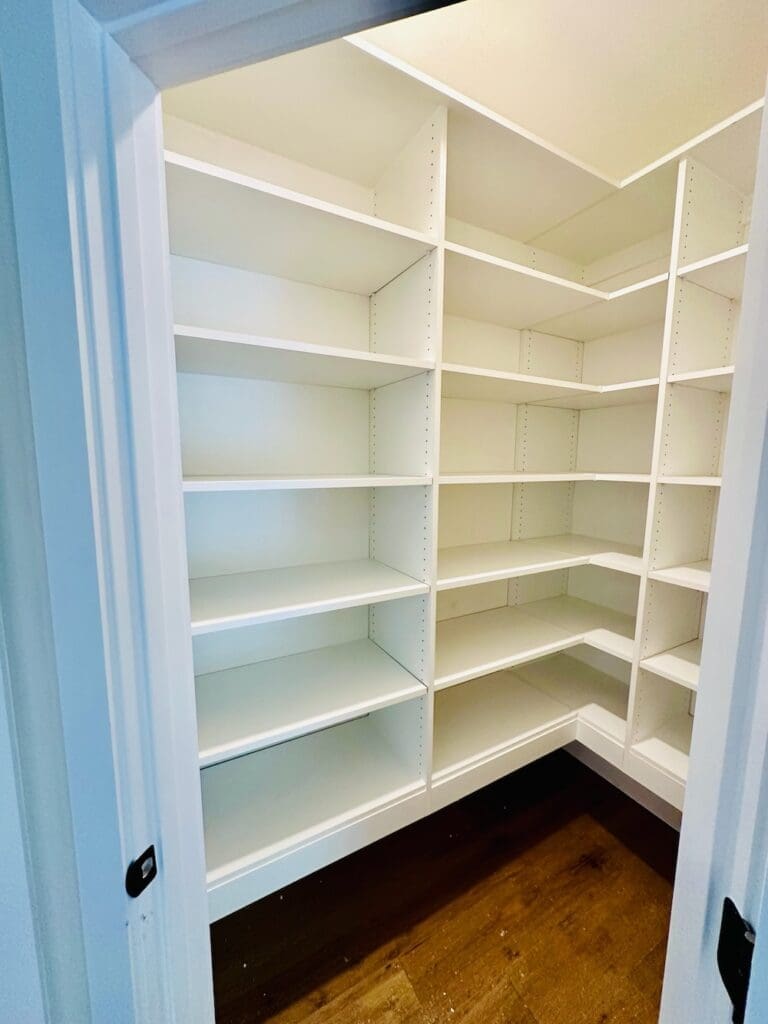
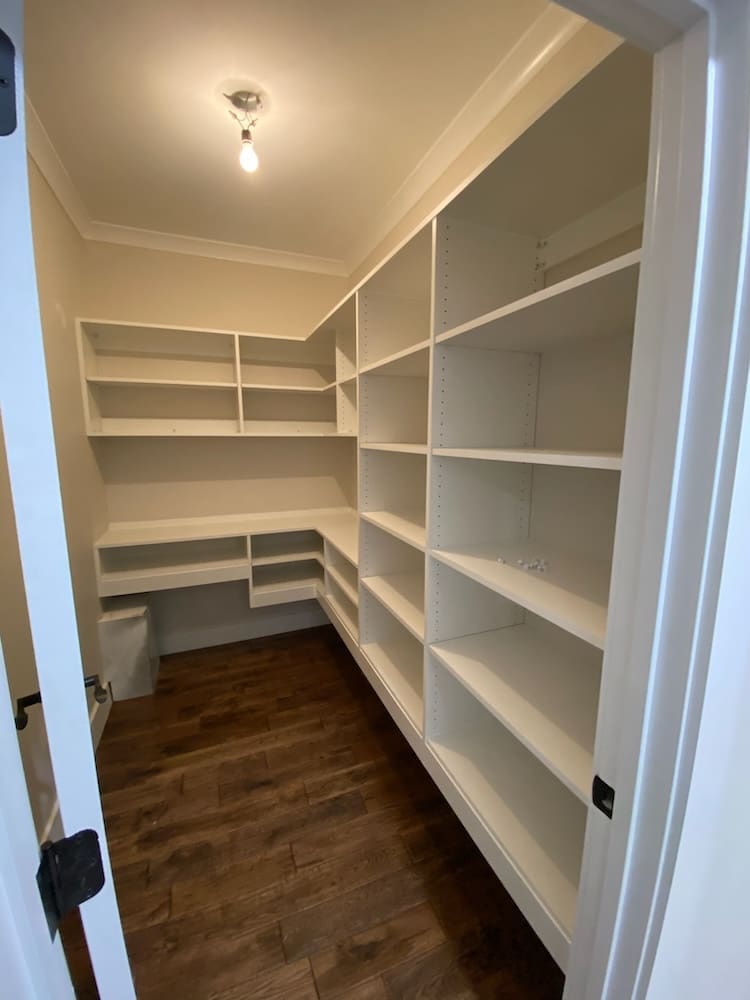
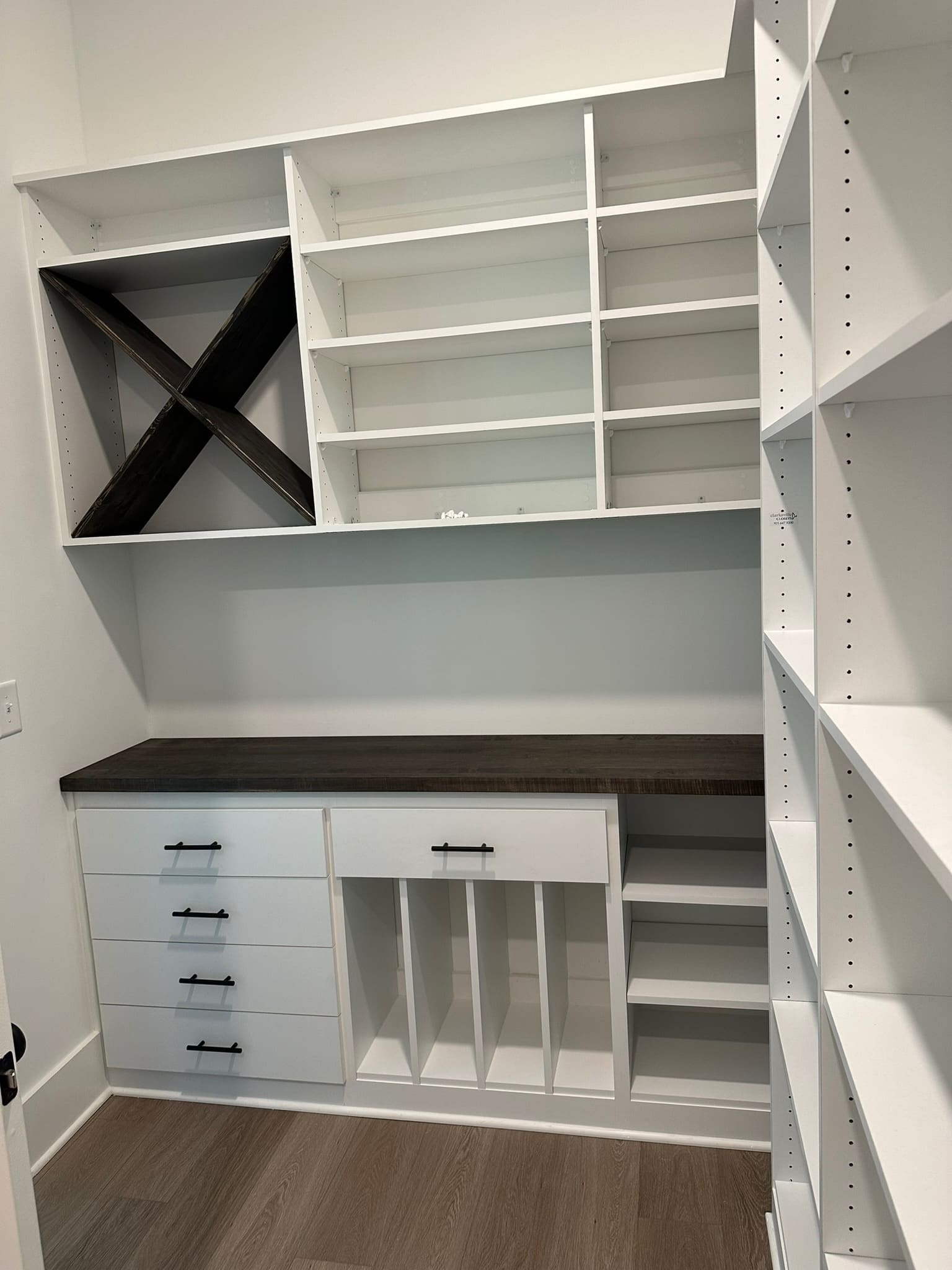
At Clarksville Closets, we design custom pantry storage solutions for homeowners across Middle Tennessee. Whether you have a walk-in pantry, reach-in pantry, butler’s pantry, or small kitchen storage space, avoiding these pantry design mistakes can help you get more out of every inch.
1. Making Pantry Shelves Too Deep
Deep shelves sound useful at first, but they can become a problem fast. When shelves are too deep, cans, snacks, and dry goods get pushed to the back and forgotten. You end up buying duplicates because you cannot see what you already have.
A better pantry design uses shelf depth wisely. Everyday items should be easy to see and reach. Deeper areas can work well for small appliances, paper goods, bulk items, and larger storage bins. The goal is to create pantry shelving that gives you storage without turning every shelf into a hiding place.
2. Forgetting Adjustable Shelving
Your pantry needs will change over time. One month you may need space for cereal boxes and snacks. The next month you may need room for baking supplies, canned goods, school lunch items, or holiday ingredients.
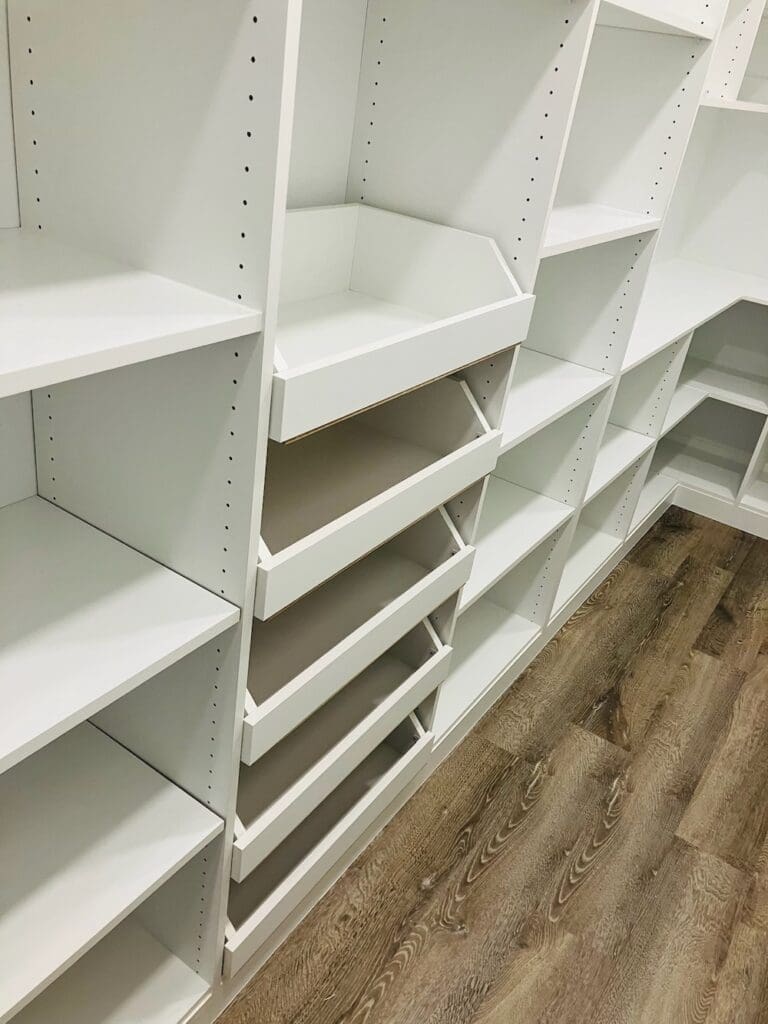
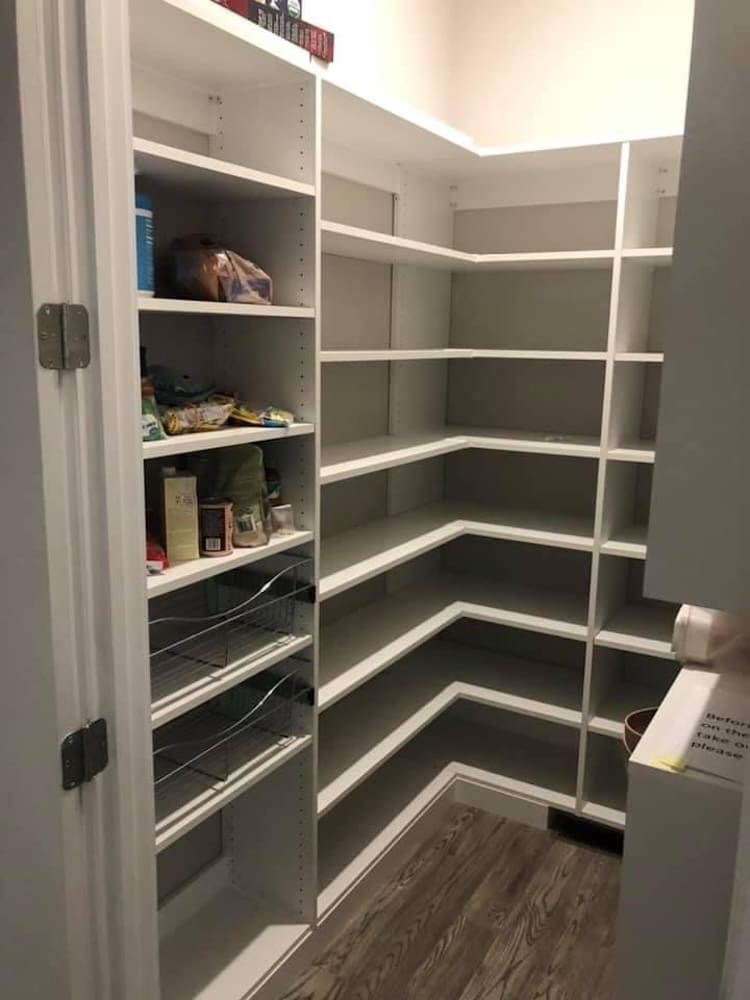
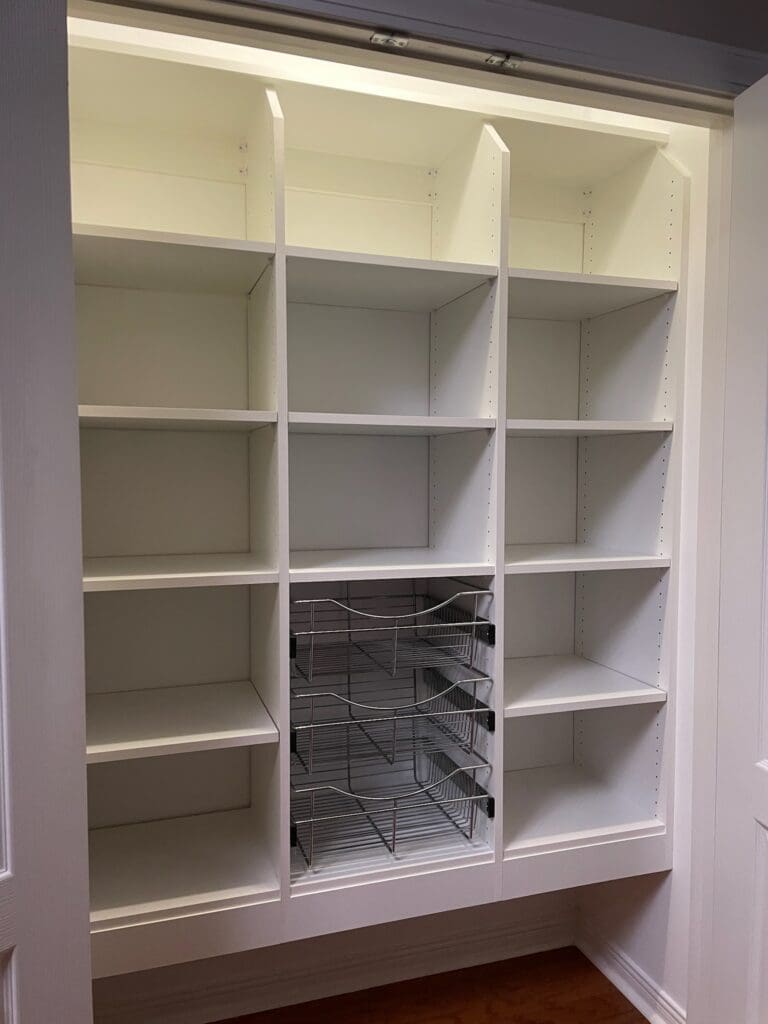
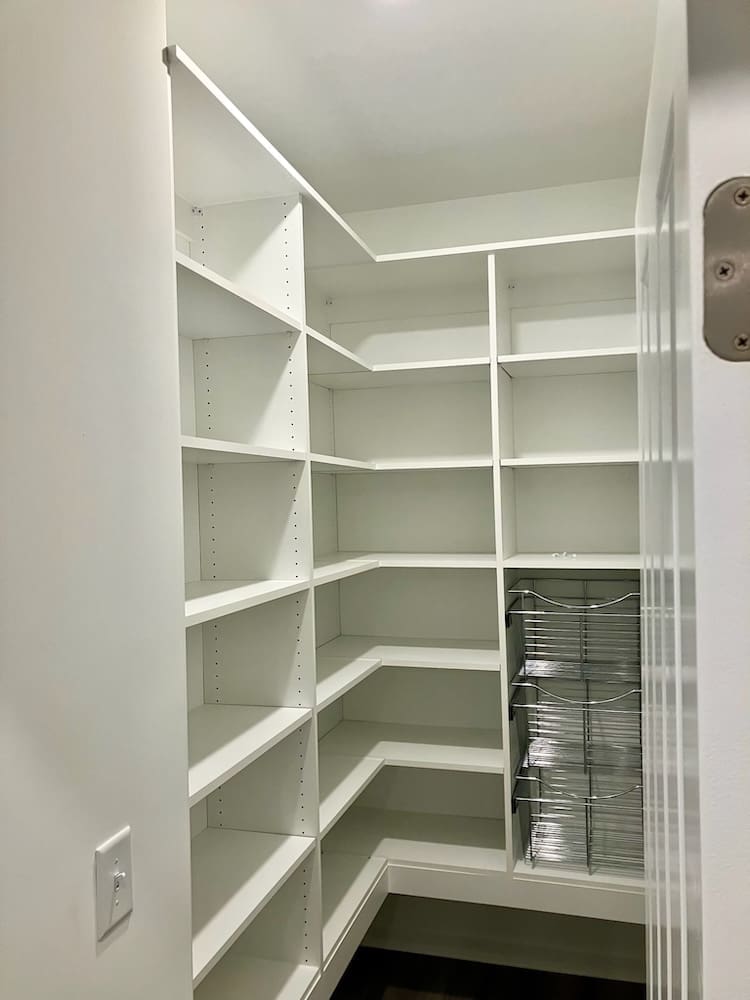
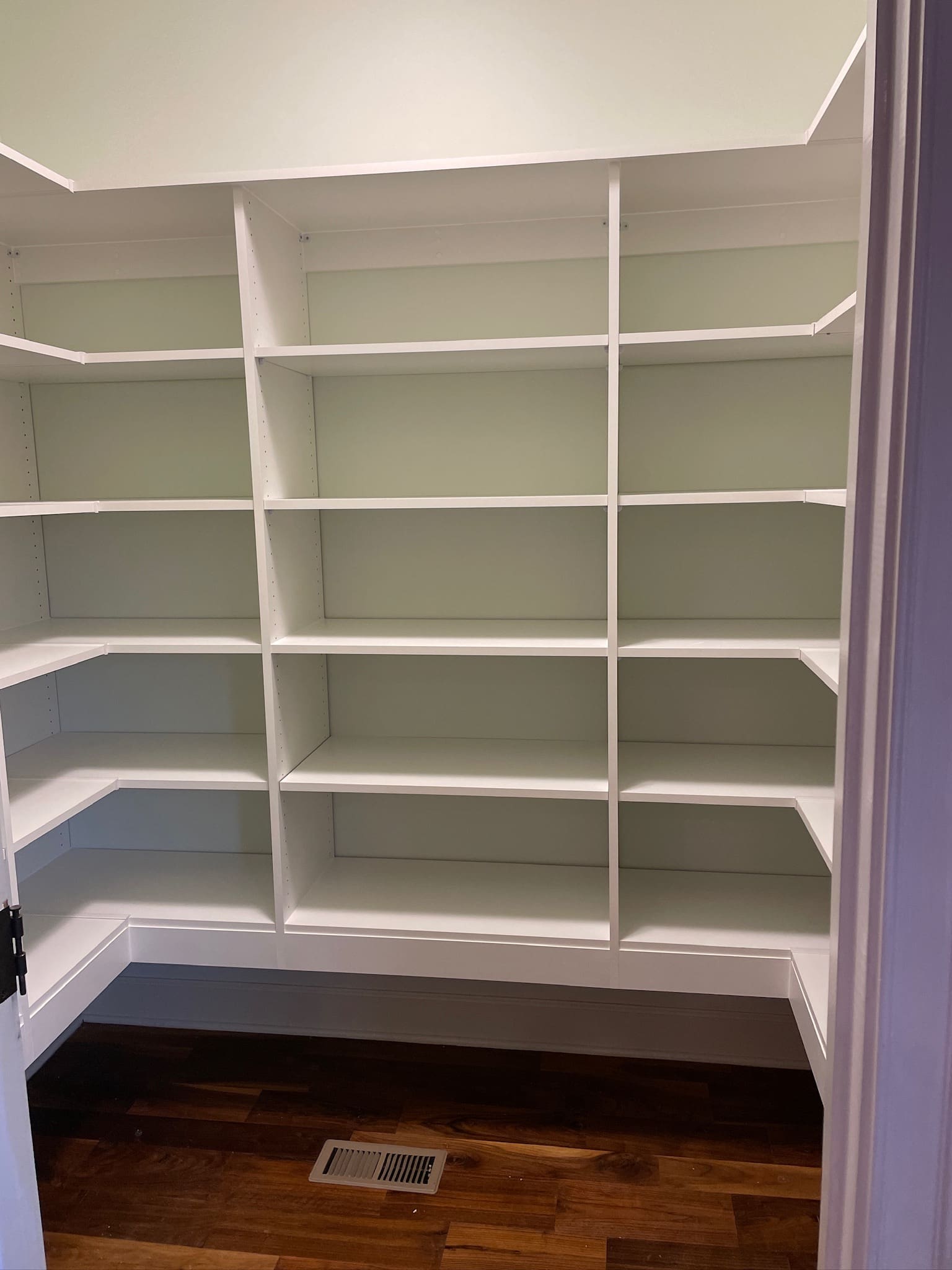
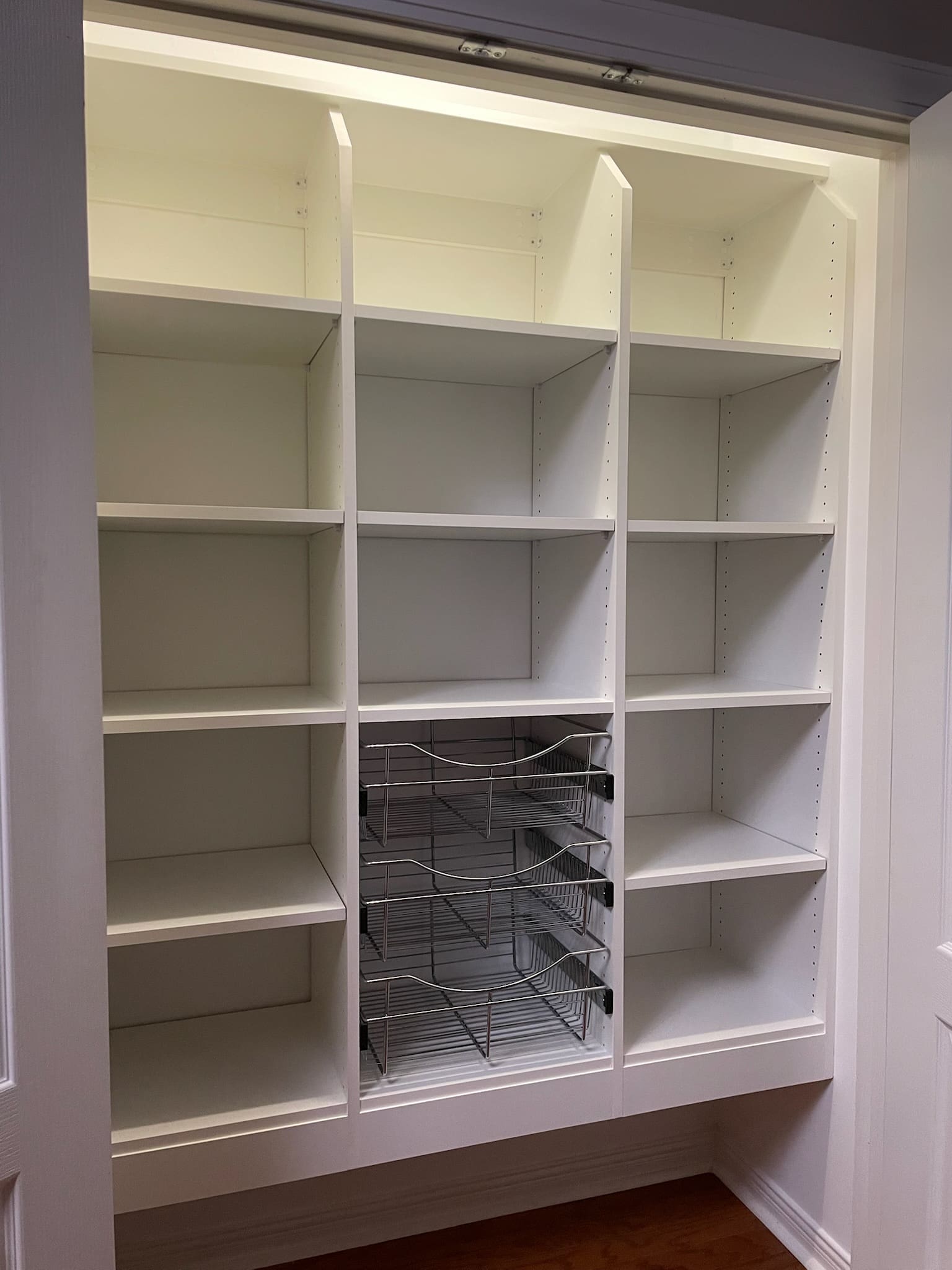
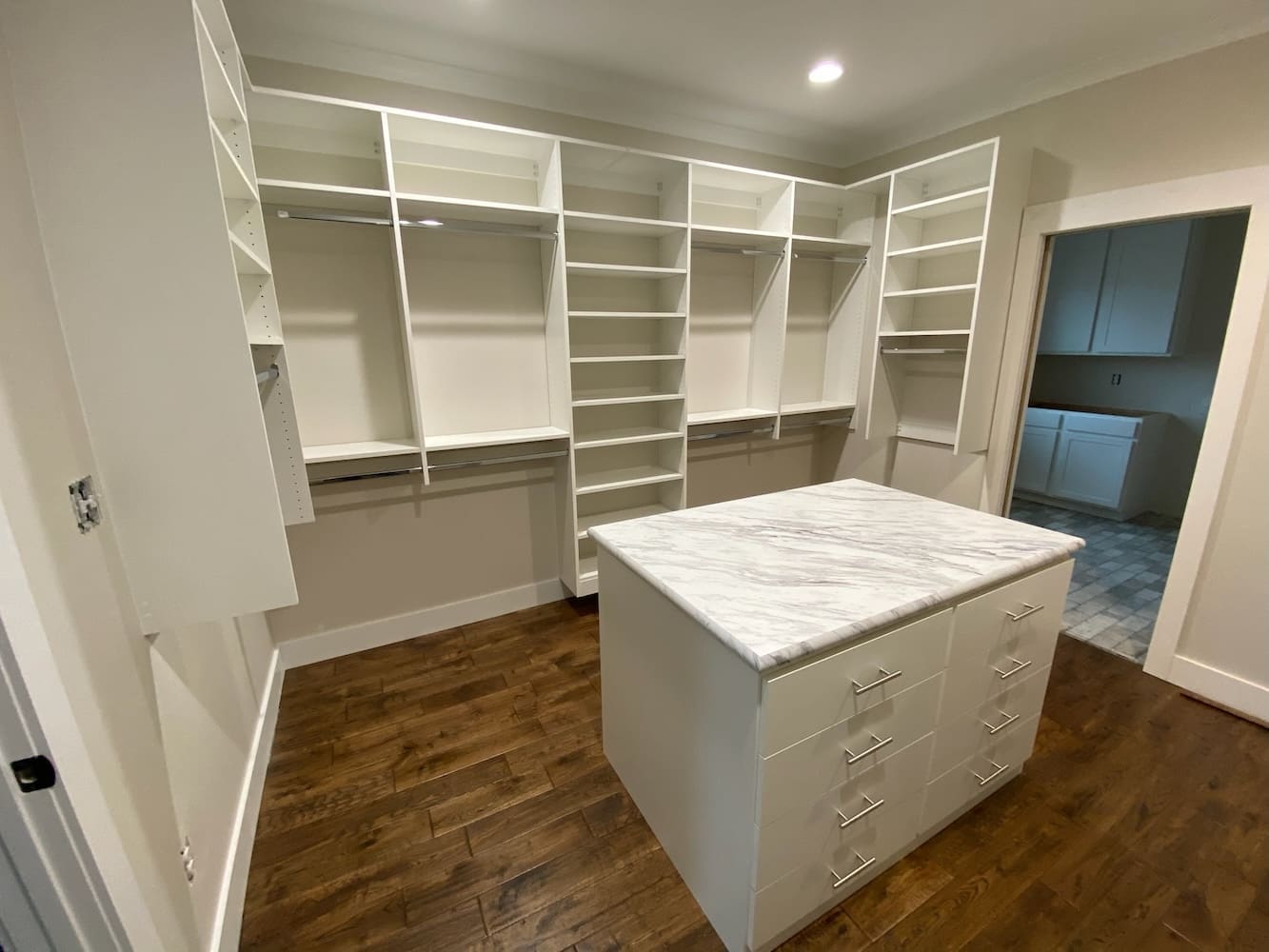
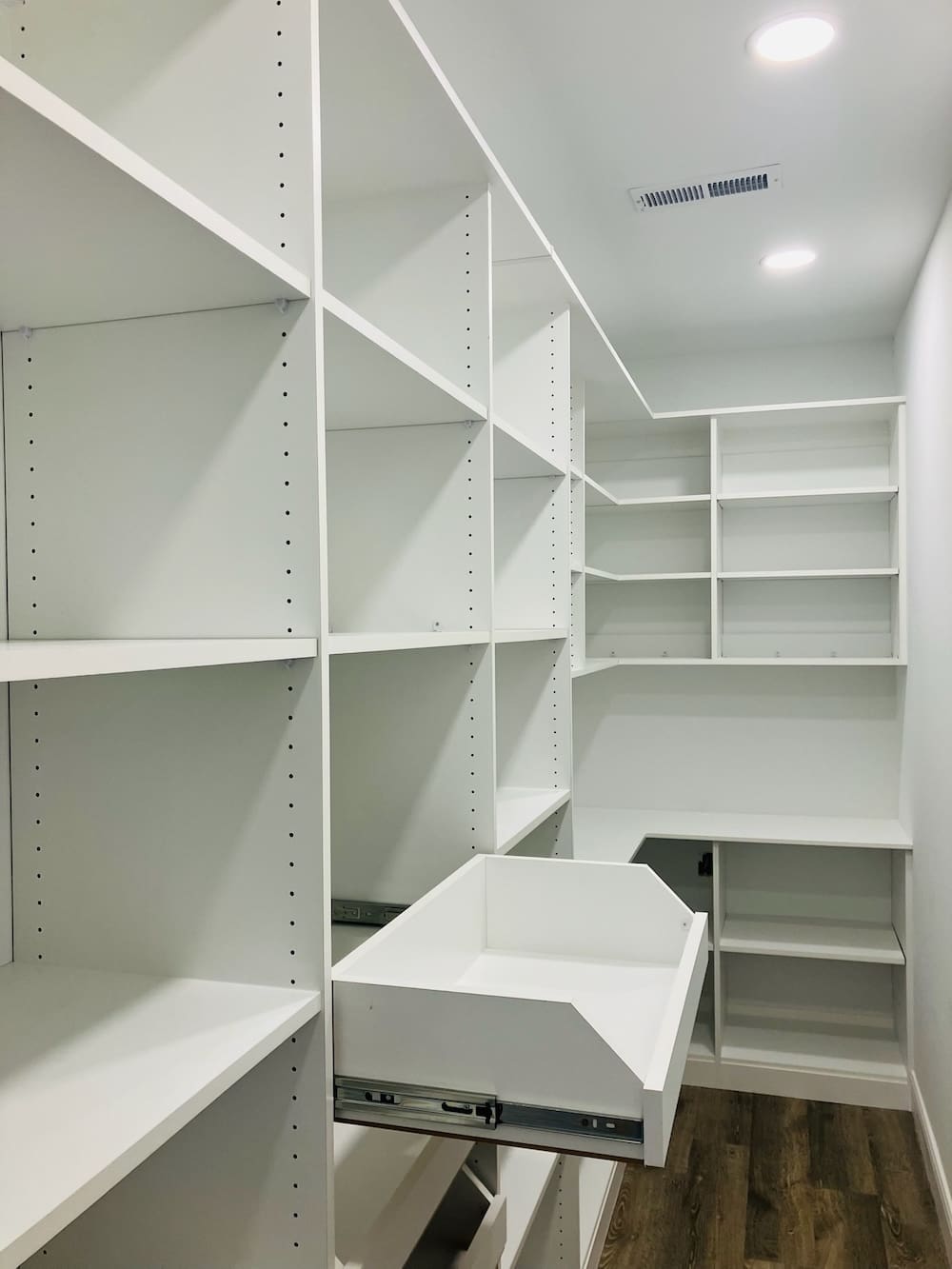
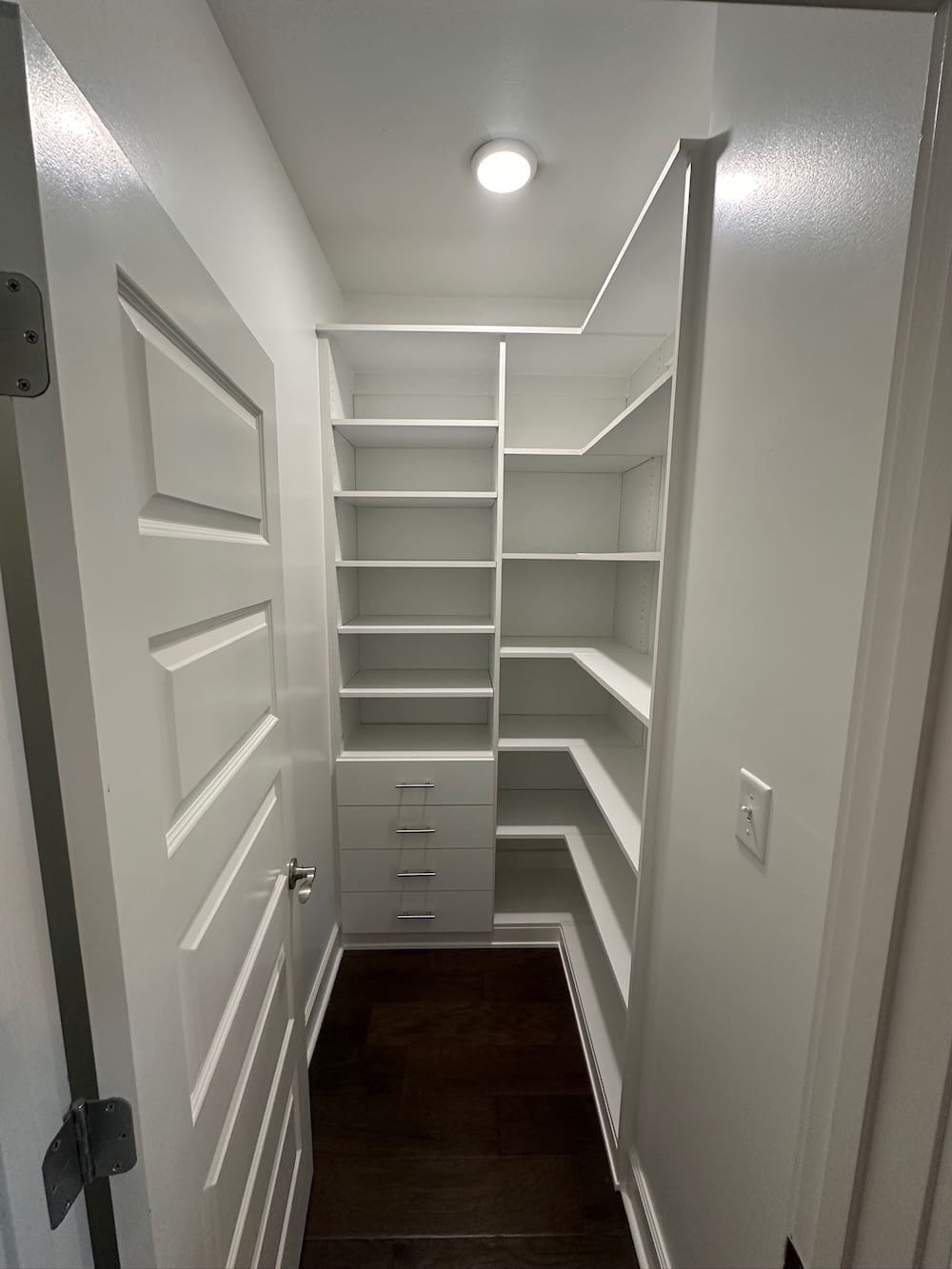
Fixed shelves can limit how your pantry works. Adjustable pantry shelving gives you more flexibility. You can move shelves up or down as your storage needs change. This is especially helpful in custom pantry systems because the layout can grow with your household instead of forcing everything into one setup.
3. Not Creating Pantry Zones
A pantry without zones can look organized for one week, then fall apart again. When everything has the same level of priority, the pantry becomes a mix of snacks, cans, baking supplies, drinks, breakfast items, and overflow storage.
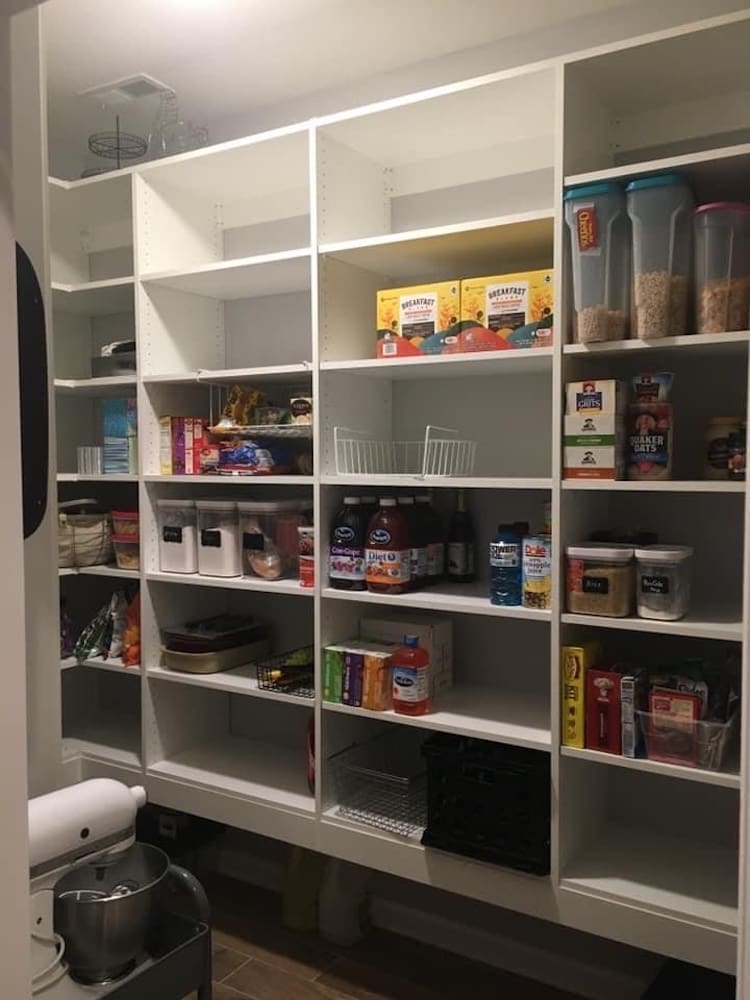
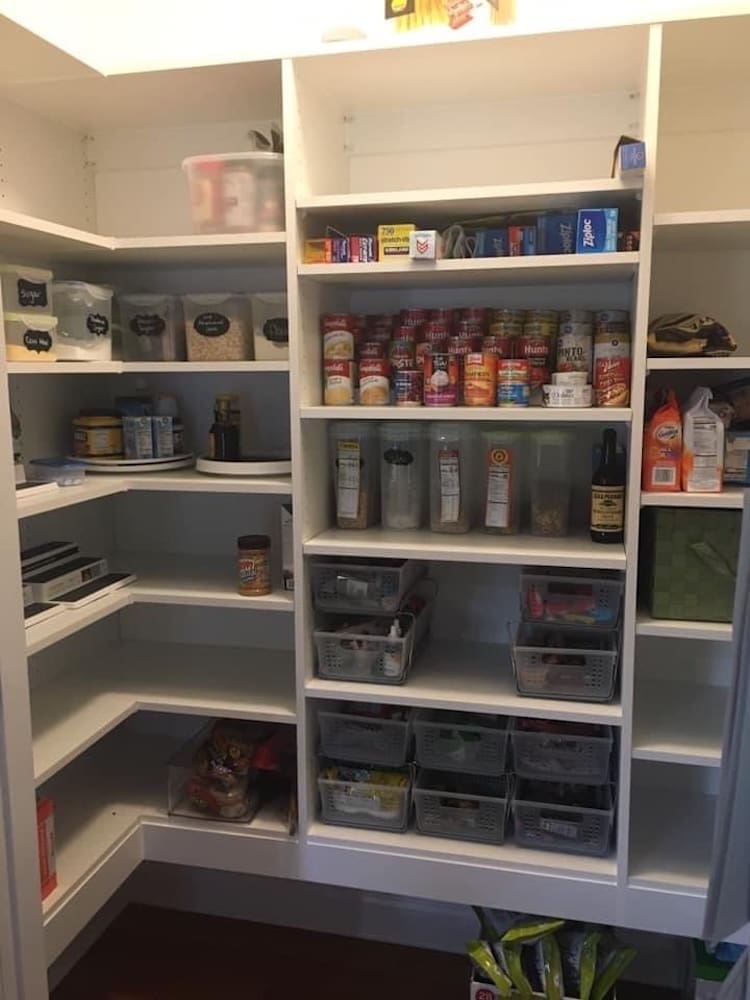
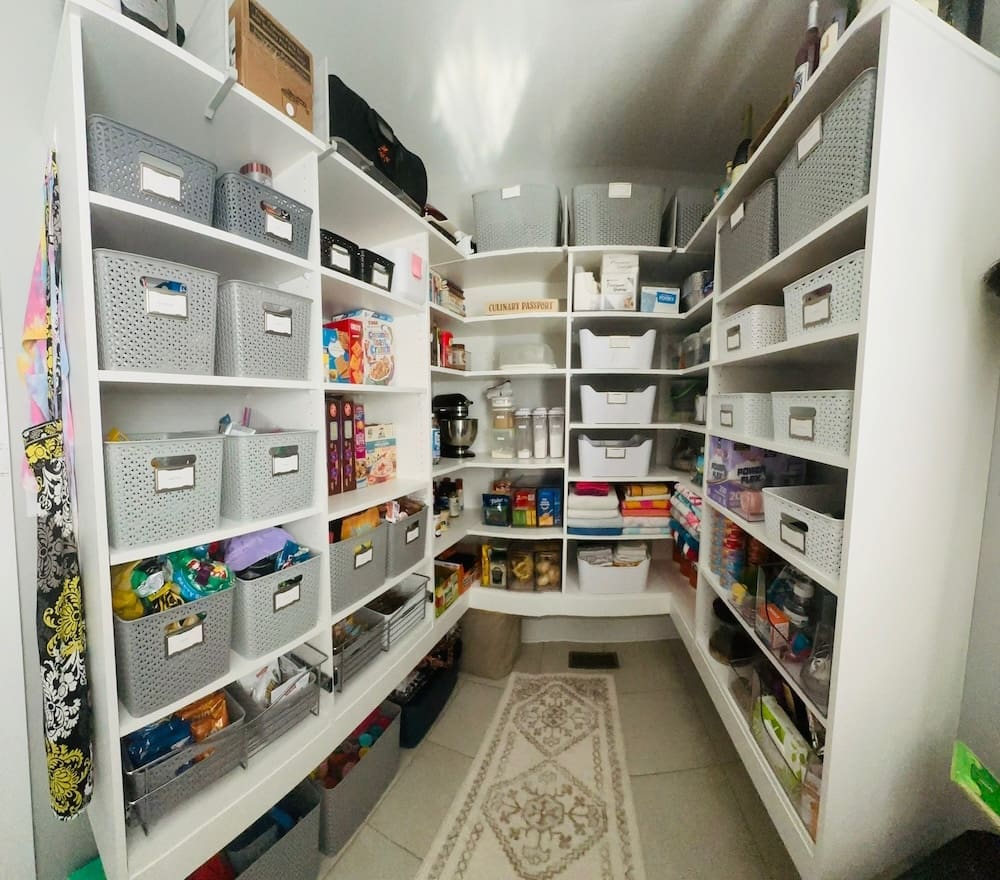
Good pantry organization starts with zones. You may need a snack zone, baking zone, breakfast zone, dinner prep zone, canned goods zone, small appliance zone, or kid-friendly zone. These zones help everyone in the house know where things belong. They also make grocery unloading much faster.
4. Wasting Vertical Space
Many pantries have unused space between shelves, above shelves, or near the floor. That space adds up. If your pantry shelving is not planned well, you may lose storage without realizing it.
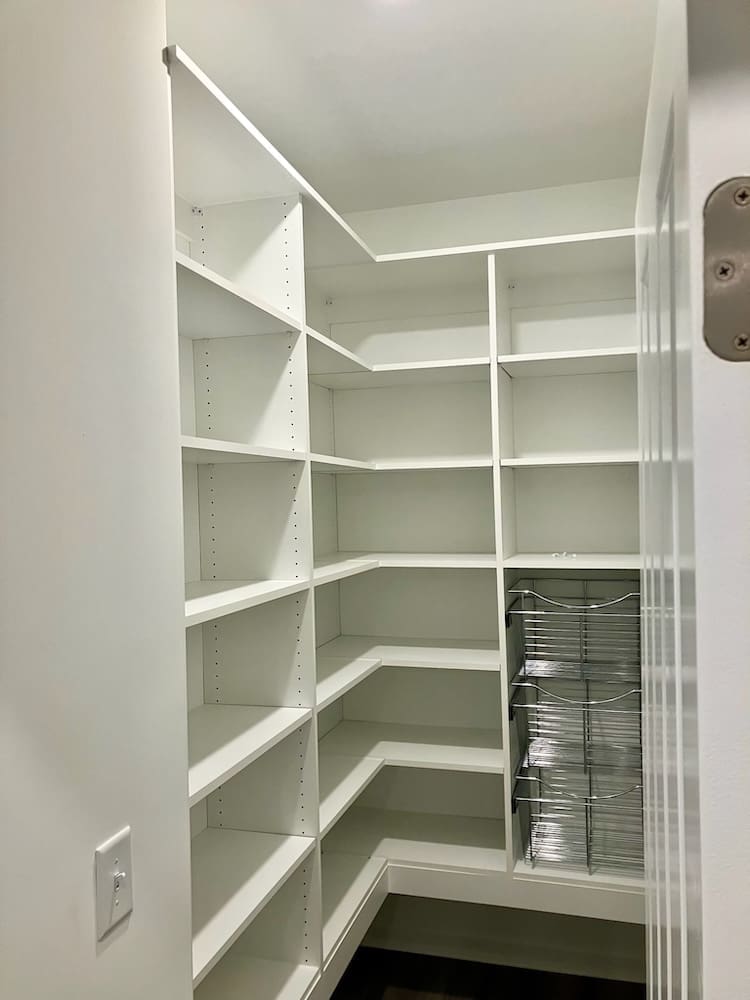
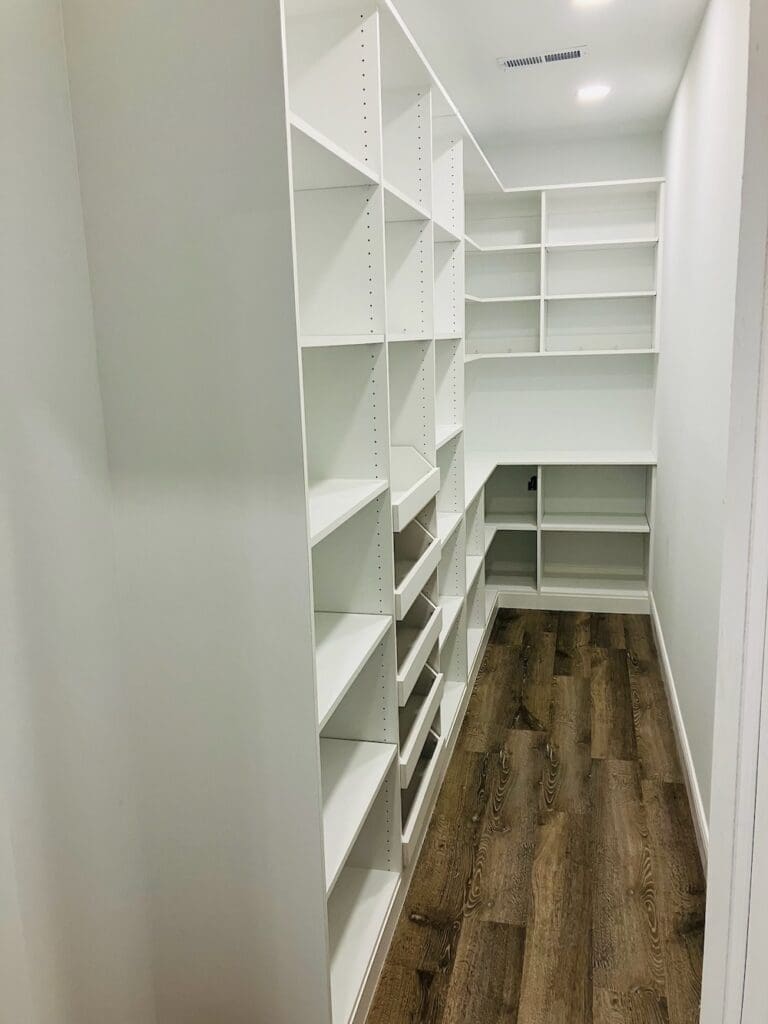
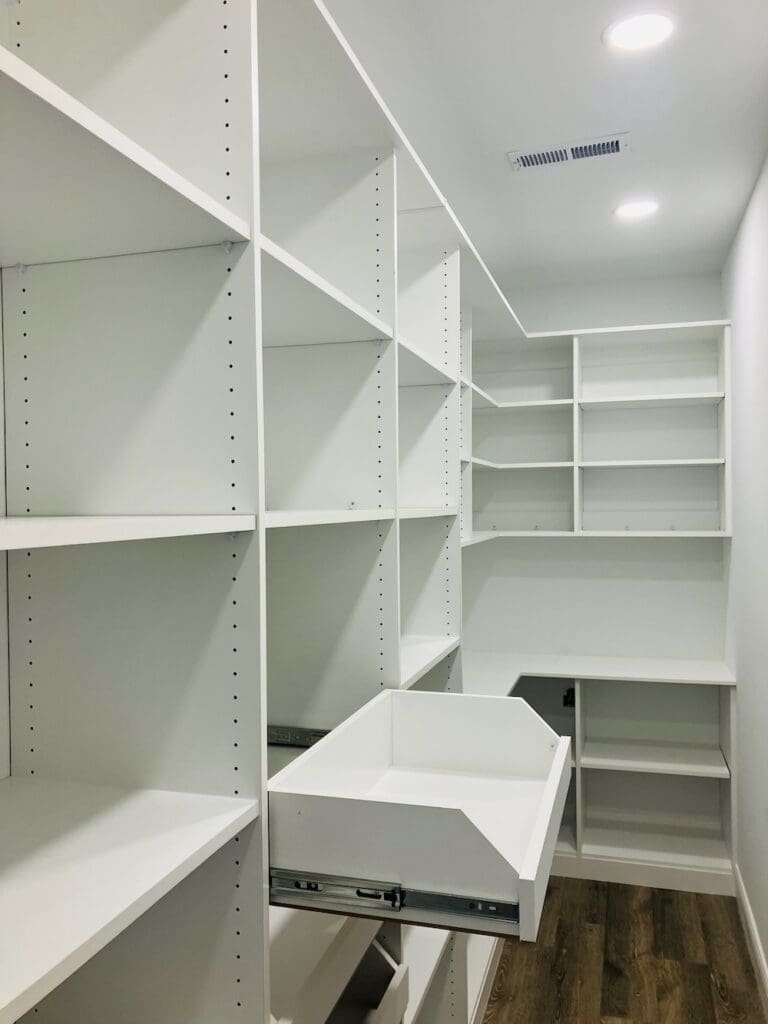
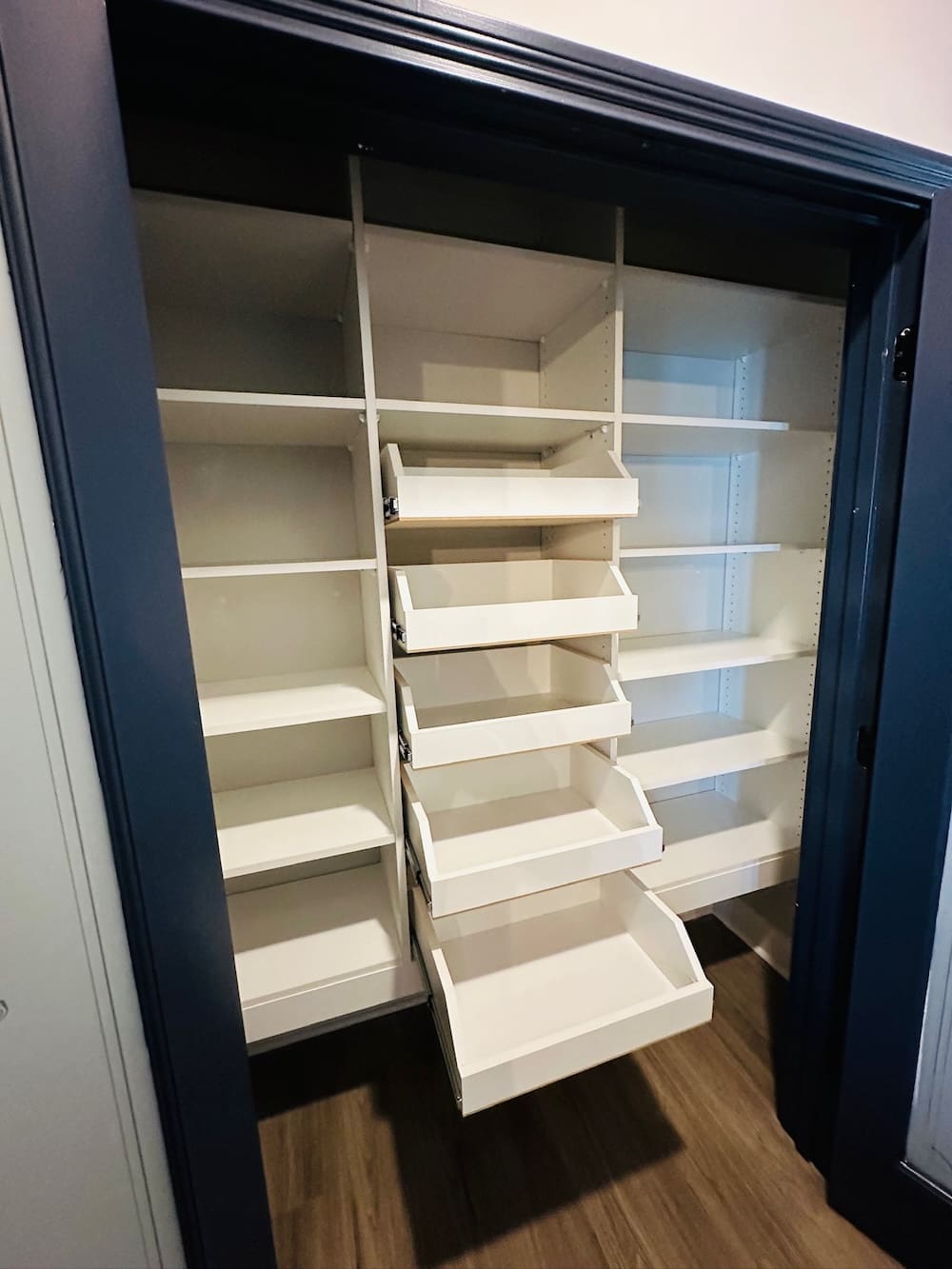
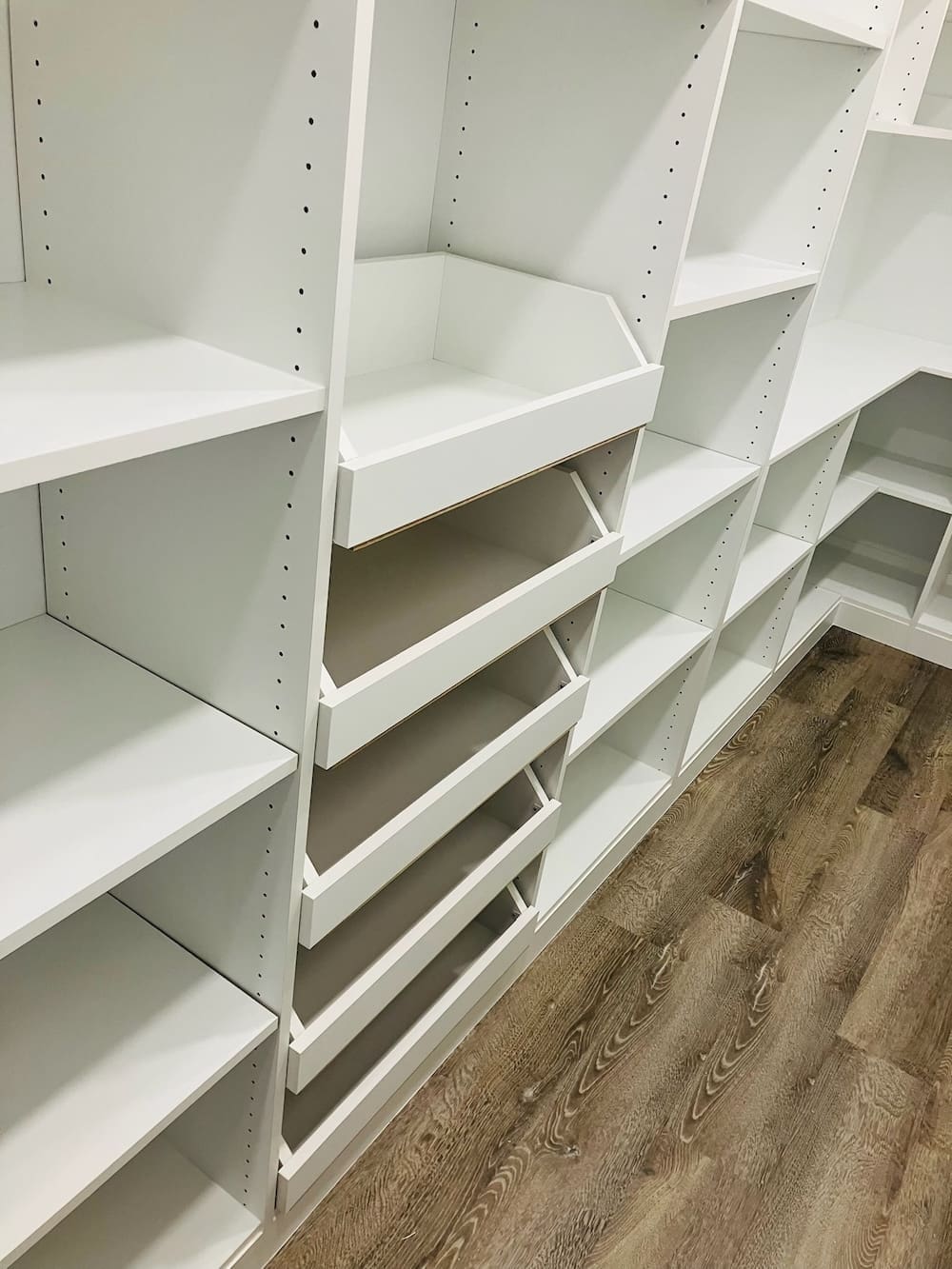
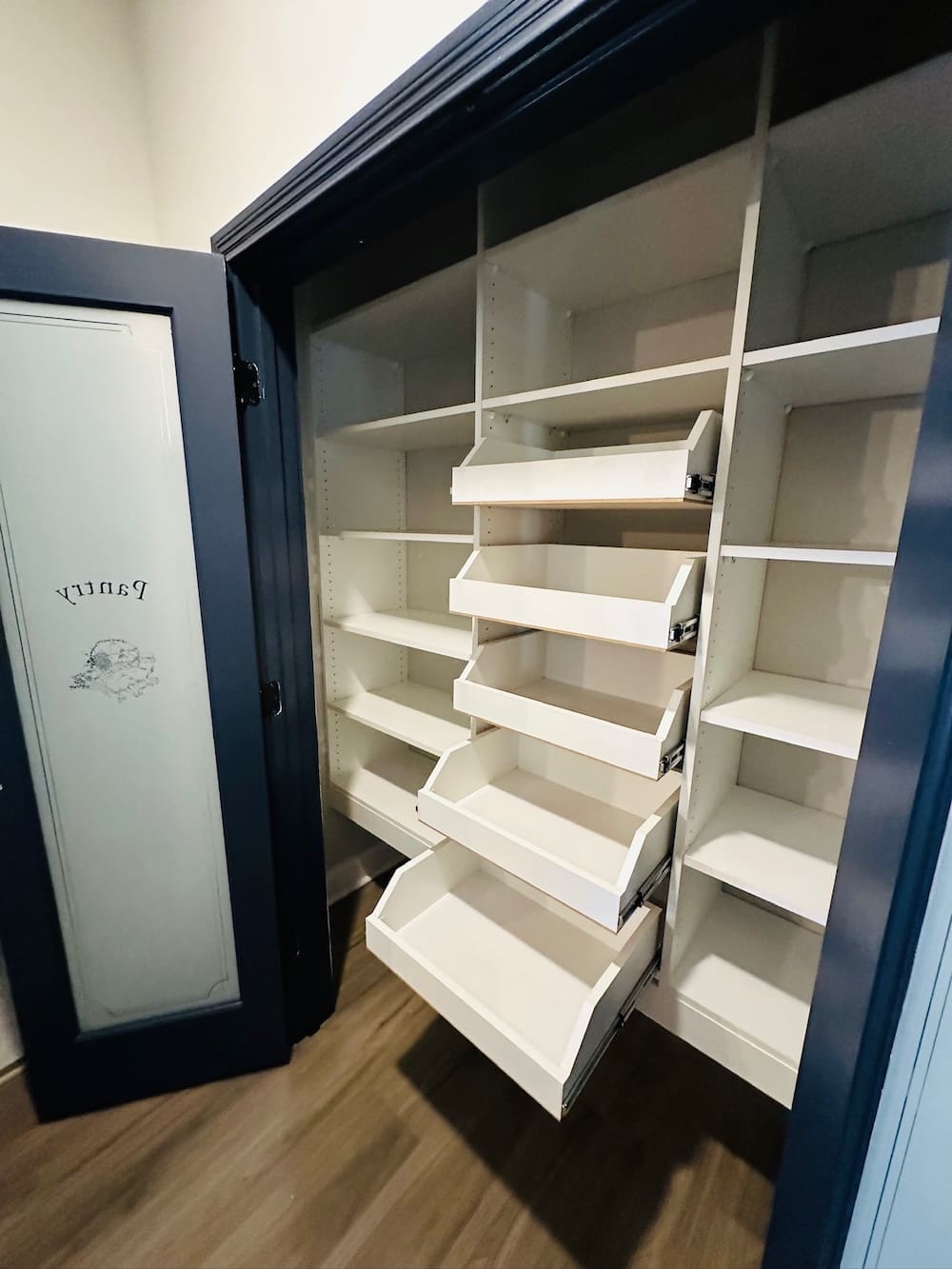
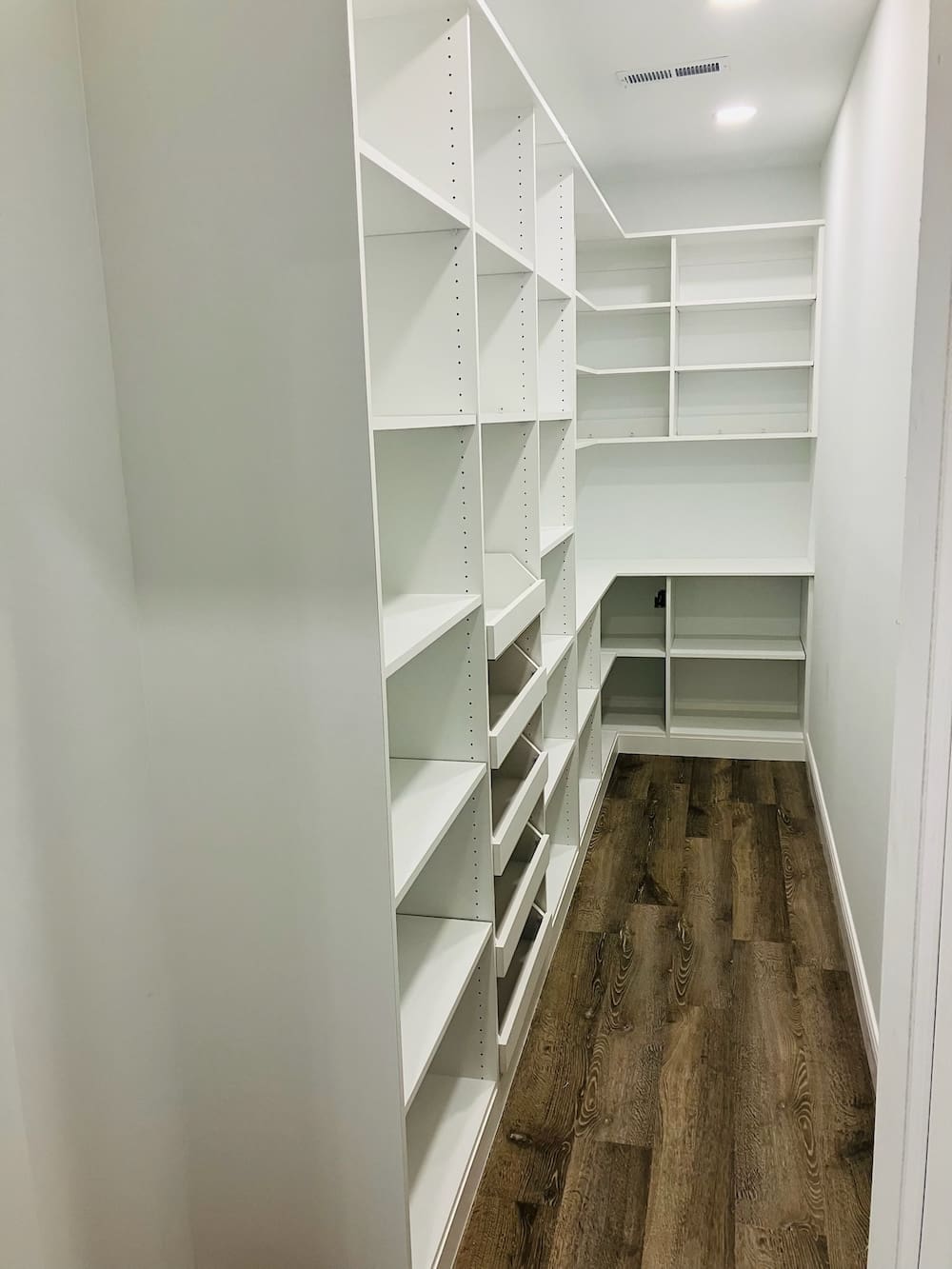
A custom pantry design can use vertical space with taller shelving, better spacing, drawers, pull-outs, cubbies, or storage areas for larger items. This is especially important in smaller pantries. When the layout is designed around your actual items, even a compact pantry can hold more and feel less crowded.
5. Relying Too Much on Baskets
Baskets can be helpful, but they are not a full pantry system. Too many baskets can hide items, waste shelf space, and make it harder to see what you have. They can also become clutter bins if they are not assigned a clear purpose.
Use baskets where they make sense. They work well for snacks, packets, produce, lunch items, and lightweight overflow storage. For everything else, your pantry shelving, drawers, and layout should do the heavy lifting. A good custom pantry should feel organized even before the decorative containers are added.
6. Ignoring Heavy Items
Large drink packs, canned goods, pet food, flour, sugar, appliances, and bulk groceries need strong, practical storage. If those items end up on high shelves or weak shelving, the pantry becomes harder and less safe to use.
Heavy items usually work best lower in the pantry. This keeps them easier to lift and reduces strain on shelves. A custom pantry system can include reinforced shelving, lower storage, drawers, or cabinet-style sections for larger items. This is one area where better pantry design can make a real difference in daily use.
7. Forgetting About Small Appliances
Many homeowners use the pantry for more than food. Stand mixers, air fryers, crockpots, blenders, coffee supplies, and extra cookware often need a home too. If your pantry design does not plan for small appliances, they usually end up crowding countertops or taking over random shelves.
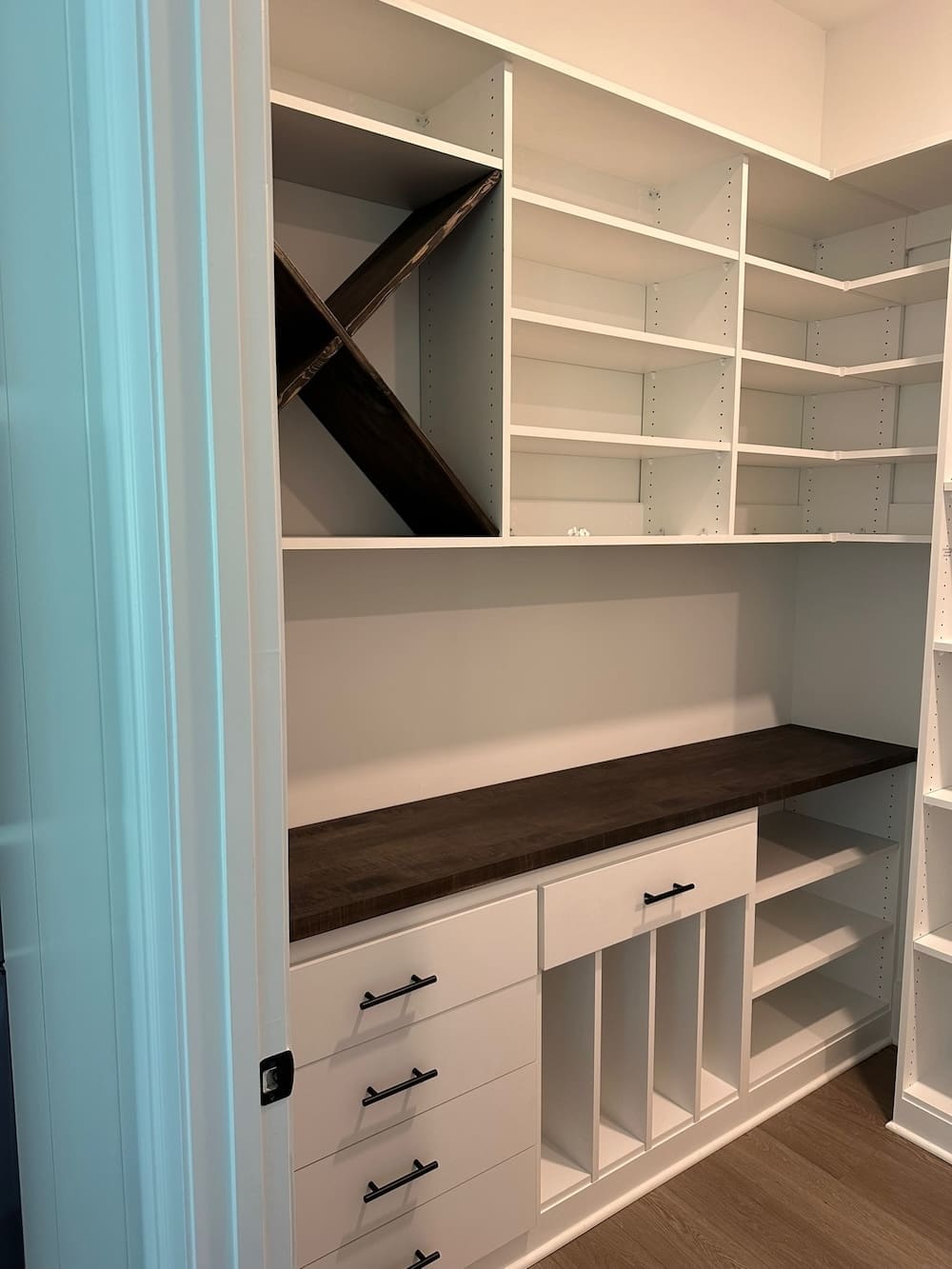
A custom pantry can include deeper shelves or dedicated zones for appliances. You can also plan storage around how often you use each item. Daily-use appliances should be easy to reach. Seasonal or occasional items can go higher or lower. This keeps your kitchen cleaner and your pantry more useful.
8. Choosing Looks Over Function
A beautiful pantry is great, but it still needs to work. Clear containers, matching labels, and styled shelves will not fix a bad layout. If the shelving is wrong, the zones are unclear, or the storage does not match your groceries, the pantry will still feel frustrating.
The best pantry design balances looks and function. Your pantry should feel clean and polished, but it should also support real life. Kids need access to snacks. Adults need quick dinner prep. Bulk groceries need room. Small appliances need a place. A custom pantry should make the kitchen easier, not harder.
9. Not Designing Around Your Shopping Habits
Every family shops differently. Some people buy in bulk. Some cook from scratch. Some need school lunch storage. Some need space for protein powders, pet food, drinks, paper goods, or overflow groceries.
A one-size-fits-all pantry does not work for everyone. Your pantry organization should match how you shop and cook. Before choosing a pantry shelving system, look at what you actually buy. Count the categories. Notice what piles up. Think about what frustrates you most. That information helps create a pantry design that fits your routine.
10. Treating the Pantry Like an Afterthought
Pantries do a lot of work. They support cooking, grocery storage, meal prep, family routines, entertaining, and kitchen cleanup. When the pantry is treated like leftover space, it can make the whole kitchen feel harder to manage.
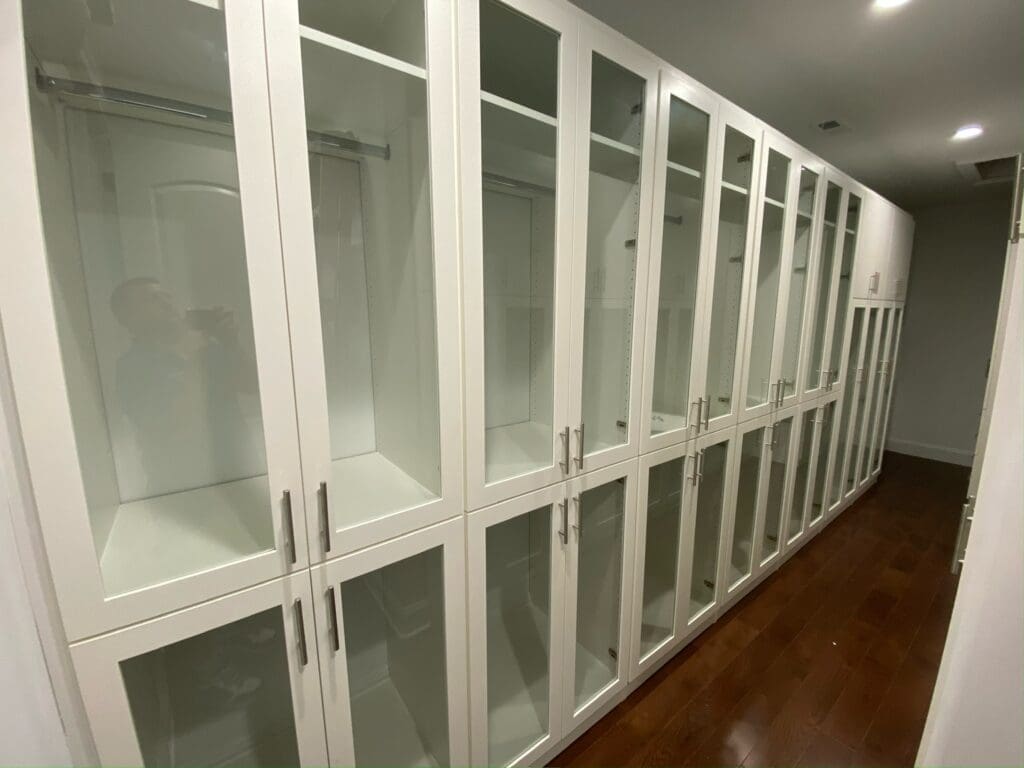
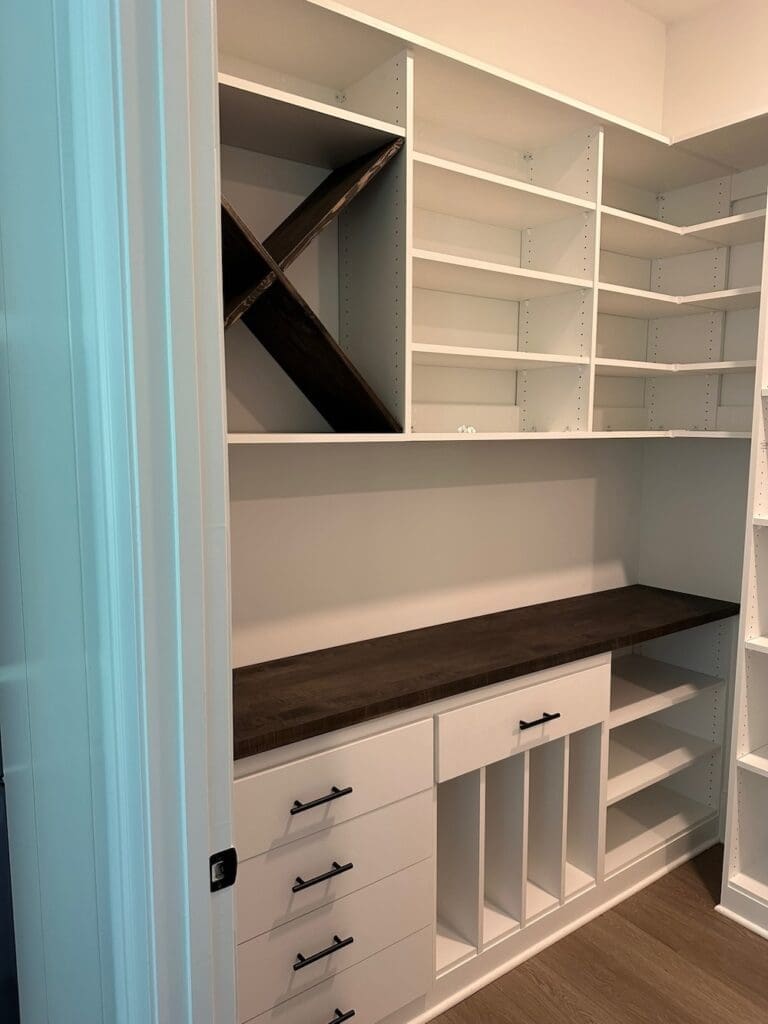
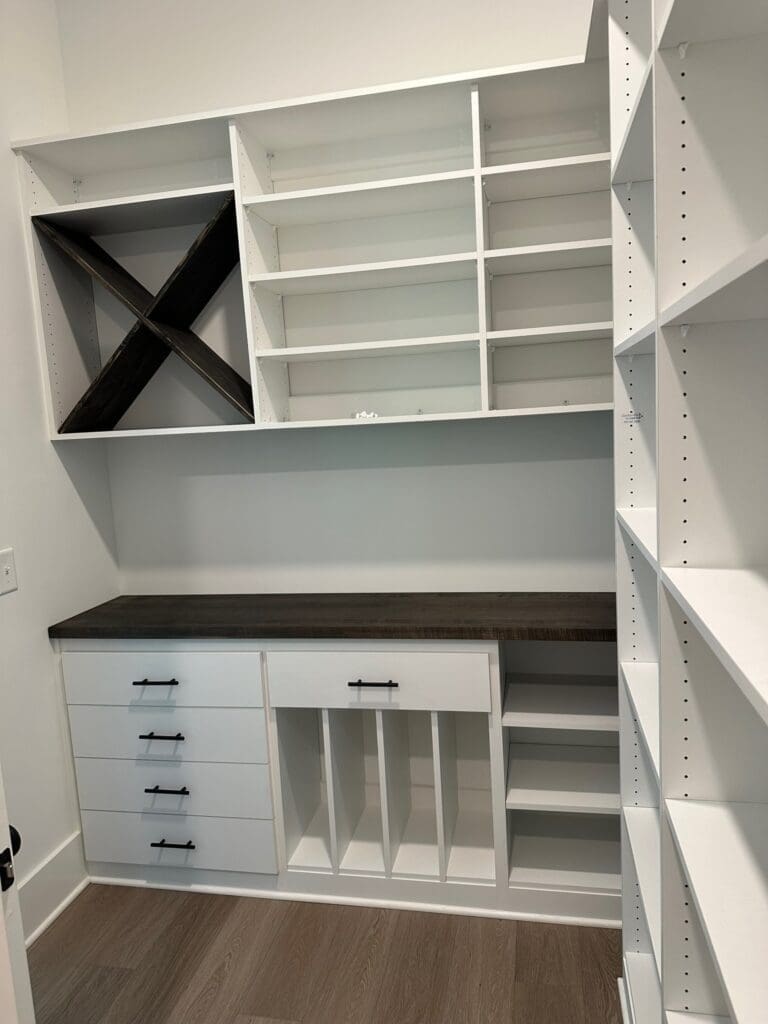
A custom pantry gives this space the attention it deserves. Whether you need simple pantry shelving, pull-out storage, built-in cabinets, drawers, or a full walk-in pantry system, the right design can make your kitchen feel more organized every day.
Custom Pantry Design for Middle Tennessee Homes
A better pantry starts with a better plan. The right layout can help you see what you have, store more, reduce clutter, and make your kitchen easier to use.
Clarksville Closets designs and installs custom pantry systems across Middle Tennessee. We help homeowners create walk-in pantries, reach-in pantries, butler’s pantries, and kitchen storage solutions that fit their space, budget, and daily routine.
Frequently Asked Questions About Pantry Design
What is the best way to organize a pantry?
The best way to organize a pantry is to create zones. Group similar items together, such as snacks, baking supplies, canned goods, breakfast foods, drinks, small appliances, and dinner prep items. A custom pantry system can make this easier with the right shelving, drawers, and storage layout.
Are deep pantry shelves a good idea?
Deep pantry shelves can work for large items, small appliances, paper goods, and bulk storage. They are not always best for everyday food items because smaller products can get lost in the back. A good pantry design uses a mix of shelf depths based on what you store.
What should a custom pantry include?
A custom pantry may include adjustable shelving, drawers, cabinets, pull-outs, appliance storage, snack zones, baking zones, and space for bulk items. The right features depend on your kitchen, your shopping habits, and your budget.
Is a walk-in pantry better than a reach-in pantry?
A walk-in pantry usually offers more storage and easier access, but a reach-in pantry can still be very functional with the right design. Custom pantry shelving can make either option work better.
How do I make a small pantry hold more?
A small pantry can hold more with adjustable shelves, better shelf spacing, vertical storage, clear zones, and custom shelving designed for your exact space. Removing wasted gaps can make a big difference.
Can pantry storage be designed to my budget?
Yes. Pantry storage can be designed to your budget by focusing on the most important features first. Many homeowners start with custom shelving and zones, then add drawers, cabinets, or specialty storage where it makes the most sense.
What is the biggest pantry design mistake?
One of the biggest pantry design mistakes is choosing a layout before thinking about what you actually store. Your pantry should be designed around your groceries, appliances, family habits, and daily kitchen routine.